
Post-Decree Mediation in Minnesota: Working Through Changes After Divorce
A finalized divorce decree marks an important transition, but life continues to change. Children grow, work schedules shift, and the arrangements that once fit your family may become harder to follow.
When disagreements arise after a divorce is final, they are often called post-decree disputes. Mediation provides an opportunity to discuss these concerns and explore possible solutions rather than immediately asking a judge to decide contested issues. Minnesota courts identify mediation as an option for resolving parenting disagreements.
Johnson Mediation offers post-divorce mediation to help people work through issues that arise after their divorce, including concerns involving children and financial arrangements.
What Issues Can Post-Decree Mediation Address?
Not every disagreement requires rewriting an entire agreement. Sometimes, the first step is identifying what has changed and which questions need attention.
Parenting Time and Scheduling
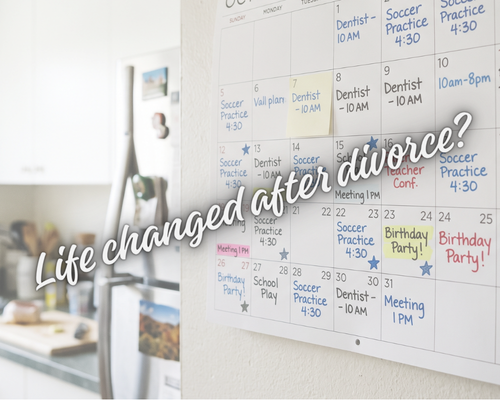
A parenting schedule may become more difficult to manage as children’s activities, school calendars, and parents’ work commitments change.
Discussion topics might include:
- Holiday and school-break schedules.
- Pickup and drop-off arrangements.
- Transportation responsibilities.
- Requests for occasional schedule changes.
- Communication about children’s activities.
Mediation gives parents a setting to discuss these concerns and explore workable arrangements. Minnesota courts recognize mediation as one option for addressing parenting-time disputes.
Child Support and Financial Questions
Changes in employment, income, health insurance, or children’s expenses can raise questions about existing financial arrangements.
Johnson Mediation identifies child support and children’s health insurance among the issues its post-divorce mediation services can help address. Discussing an issue in mediation, however, is different from determining whether an existing order can legally be modified.
Relocation
A proposed move can raise practical questions about travel, parenting time, school routines, and maintaining relationships.
Moving a child’s residence out of Minnesota also involves specific legal requirements. When the other parent has court-ordered parenting time, Minnesota courts explain that permission from that parent or a court order is required. Mediation may help parents discuss the proposed arrangements, but it does not replace applicable legal requirements.
Co-Parenting Communication
Sometimes the immediate concern is how parents communicate about an existing arrangement.
Topics for discussion might include how to request a schedule change, share school information, or handle a disagreement before it escalates. Johnson Mediation’s post-divorce services offer a setting for addressing disagreements that emerge after divorce.
How Can Mediation Help?
An Opportunity to Participate in the Solution
A mediator does not act as a judge or impose a decision. Instead, mediation provides a structured process for discussing issues and exploring possible agreements. Minnesota law describes the mediator as having no coercive authority.
Potential Time and Cost Benefits
Mediation may help reduce the time and expense associated with contested proceedings, but results depend on the circumstances and whether an agreement is reached. Minnesota courts describe mediation as potentially faster than going to court—not a guaranteed shortcut.
A Confidential Setting for Discussion
Minnesota courts describe mediation as a confidential process. Participants should ask about the applicable confidentiality rules and any exceptions, including how a resulting agreement may be documented.
Does a Mediated Agreement Change My Divorce Decree?
An agreement is not automatically a modified court order.
Depending on the issue, additional legal steps and court approval may be necessary. For example, Minnesota law requires agreed modifications to a parenting plan’s schedule or decision-making provisions to be confirmed by court order to be enforceable.
Mediation can help people work toward an agreement, while an attorney can advise them about their individual rights and the steps needed to seek a legally effective change.
The goal is not to promise that every court step can be avoided. It is to explore whether disagreements can be resolved by agreement rather than through contested proceedings.
Is Mediation Appropriate for Every Situation?
Domestic abuse, threats, and safety concerns can affect whether and how mediation should take place. Minnesota law includes protections against required mediation in domestic-abuse circumstances.
If you have safety concerns, seek guidance about appropriate options and protections before participating.
How Johnson Mediation Can Help
Johnson Mediation offers post-divorce mediation for disagreements that arise after a divorce is finalized. Its services include help discussing child-related and financial issues.
An initial consultation can provide an opportunity to describe your concerns, ask how the process works, and explore whether the service fits your situation. Johnson Mediation offers a free consultation.
Explore Your Options After Divorce
You do not need to resolve every disagreement before asking questions about mediation.
If circumstances have changed since your divorce, contact Johnson Mediation to ask about a free consultation and discuss possible next steps.
*This article provides general information, not legal advice. Consult Johnson Mediation directly about your specific rights, existing court orders, and any proposed legal changes.